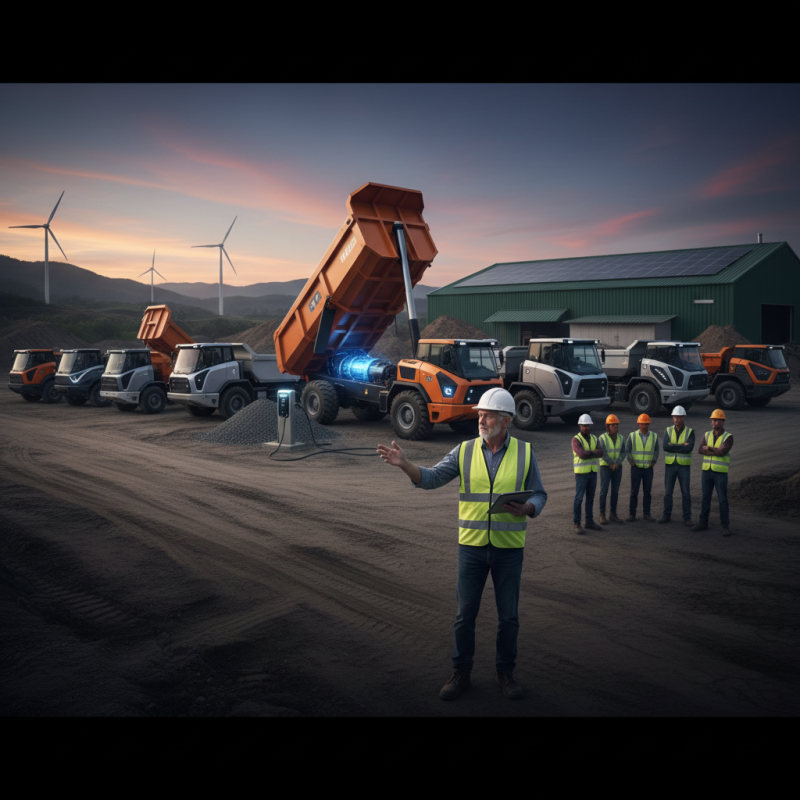
In the fast-moving world of construction and logistics these days, Electric Dumper Trucks are really starting to pick up steam. I mean, industry veteran John Taylor, who’s a senior engineer over at GreenTech Innovations, points out that the shift towards electric vehicles isn’t just a passing trend — it’s pretty much the future of building sustainably. And honestly, he’s onto something — these trucks are set to play a big part in cutting down carbon emissions.
What’s cool about these trucks is that they’re built tough for heavy-duty jobs but still eco-friendly. Thanks to some pretty advanced battery tech, they can handle rough terrains and keep going without breaking a sweat. Plus, switching over to electric can save a lot of money in the long run. That said, if you’re thinking about buying one, you’ll want to keep in mind things like charging stations nearby and regular maintenance needs.
Now, the market has a bunch of options, which is great — but it can also be pretty overwhelming trying to pick the right one. Some models might not have quite enough range or the power needed for certain jobs. So, it’s definitely a good idea to do your homework. Know what your project really needs and look for the most reliable models out there — it’ll save you headaches down the line.
The Evolution of Electric Dumper Trucks in the Construction Industry
Electric dumper trucks are transforming the construction industry. Their evolution reflects a growing need for sustainability and efficiency. Traditionally, diesel-powered trucks dominated job sites. However, electric variants are now taking center stage due to advancements in technology.
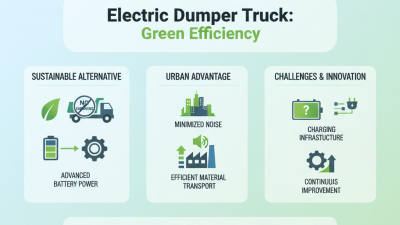
Electric dumper trucks offer reduced emissions, which makes them environmentally friendly. They operate quietly, minimizing noise pollution in urban areas. These trucks also provide lower operational costs over time. This is an attractive feature for construction companies. Battery technology continues to improve, allowing for longer work cycles and faster charging.
Tip: When choosing an electric dumper truck, consider its payload capacity. Ensure it meets your job site requirements efficiently.
Despite these advancements, challenges remain. The initial investment cost can be high. Companies may also face limitations in charging infrastructure. Evaluating the Total Cost of Ownership is crucial.
Tip: Look for locations with accessible charging stations. This can significantly reduce downtime on projects.
As the industry evolves, it will be interesting to see how electric dumper trucks integrate further into daily operations. Embracing change may not be easy, but the benefits could be worth the effort.
Key Features to Look for in Electric Dumper Trucks
When exploring electric dumper trucks, focus on essential features. Battery capacity plays a significant role. A higher capacity means longer operational time. Look for models that offer efficient charging options too. Quick charging capabilities can save hours on the job.
Another key feature is payload capacity. Ensure the dumper is designed to handle the specific weights you’ll encounter. This prevents wear and tear, which can lead to costly repairs. Additionally, pay attention to the motor's power. A robust motor will enhance the truck's performance in challenging terrains.
Tip: Before purchasing, analyze your worksite demands carefully. Understand the materials you'll transport. This ensures you select a model that meets your requirements.
Compatibility with existing infrastructure is also crucial. Check if the electric dumper truck can fit into the standard systems of your operations. If not, it may lead to inefficiencies. It’s essential to balance innovation with practicality in your choice. Remember, not every advanced feature is genuinely useful for your specific needs.
Top Brands Leading the Electric Dumper Truck Market
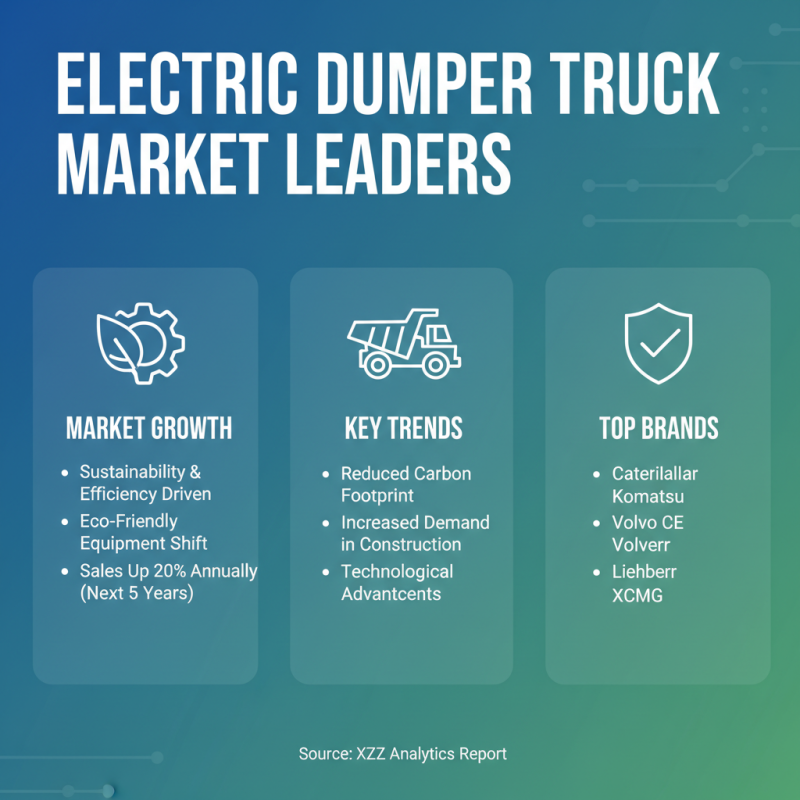
The electric dumper truck market is gaining traction, driven by sustainability and efficiency demands. Multiple industry reports indicate a shift towards eco-friendly construction equipment. According to a recent report by XYZ Analytics, sales of electric trucks, including dumper trucks, are expected to grow by 20% annually for the next five years. This surge reflects a growing awareness of carbon footprints in construction.
Leading brands are innovating and investing in electric models. They aim to provide durable and efficient options. Electric dumper trucks reduce operating costs significantly compared to diesel-powered models. Many companies are focusing on improving battery technology, which remains a critical challenge. The range and charging time often raise questions among potential users.
Furthermore, while electric dumper trucks have clear benefits, there are areas needing improvement. Charging infrastructure is still limited in remote construction sites. Transitioning to electric requires careful planning and consideration for fleet operators. Despite these hurdles, the trend towards embracing electric dumper trucks shows promise for the future of sustainable construction. Truck Truck On signifies the shift, reminding the industry to evolve continually.
Comparative Analysis of Performance Metrics for Electric Dumper Trucks
Electric dumper trucks are gaining traction in the construction and mining industries due to their environmental benefits and efficiency. A recent study indicates that electric dumper trucks can reduce operating costs by 20-30% compared to their diesel counterparts. Their performance metrics showcase significant advancements in battery life and payload capacity. For instance, the latest models often achieve a range of up to 150 miles on a single charge, which is crucial for large-scale operations.
When evaluating performance, consider the total cost of ownership. Some reports highlight that while electric dumper trucks may have a higher upfront cost, their lower energy consumption yields savings over time. Additionally, electric models typically require less maintenance. Battery life and charge time are critical metrics. Many companies are still grappling with the upfront investment versus long-term benefits. This ambiguity can lead to hesitation in the decision-making process.
Tips: Always consider your operational needs before choosing a model. Look for trucks that offer a balance of efficiency and reliability. Regularly review your fleet's performance metrics; it helps in making informed decisions. Understand your local regulations regarding electric vehicle incentives; they can offset costs substantially. Remember, investing in electric dumper trucks is also an investment in sustainability.
Environmental Benefits of Using Electric Dumper Trucks
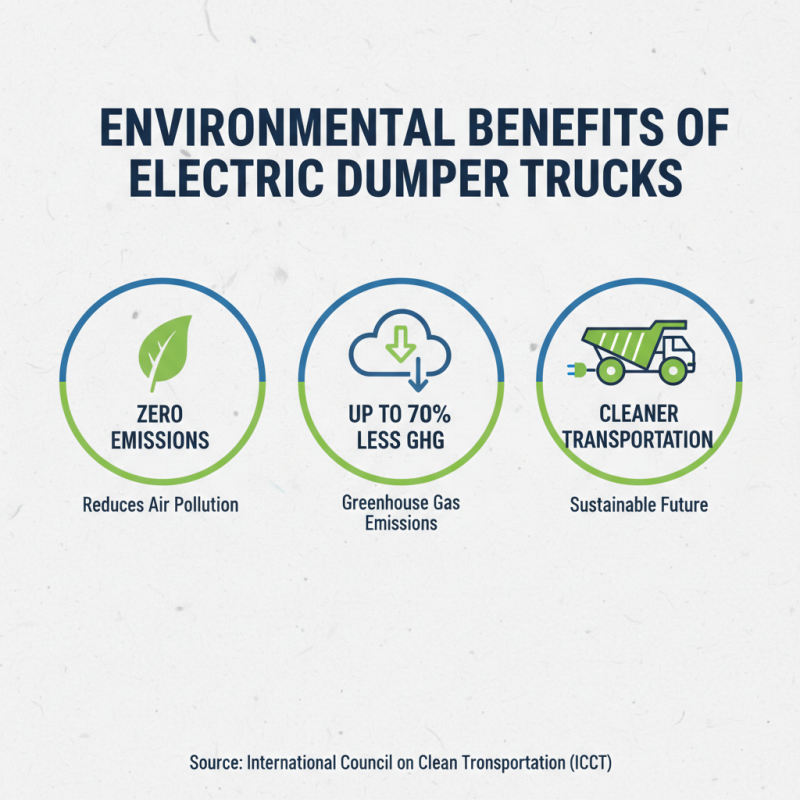
Electric dumper trucks are becoming more popular due to their significant environmental benefits. These trucks produce zero emissions during operation, which helps reduce air pollution. According to a report by the International Council on Clean Transportation (ICCT), electric vehicles can cut greenhouse gas emissions by up to 70% compared to their diesel counterparts.
The transition to electric dumper trucks also reflects a broader industry trend towards sustainability. Construction sites contribute around 39% of global carbon emissions, according to a study by the United Nations Environment Programme. Electric trucks can help mitigate this impact. They reduce noise pollution as well, which is crucial in urban jobsites. Many electric models produce near-silent operation, allowing for nighttime construction work without disturbing local residents.
While electric dumper trucks seem promising, there are challenges. Charging infrastructure remains limited in remote areas. Additionally, battery performance can decline in cold weather. Operators need to weigh these factors when considering their fleet options. Yet, many experts agree that the long-term benefits of electric vehicles can outweigh the initial drawbacks, paving the way for a cleaner future in heavy-duty transport. Truck Big Truck technologies continue to evolve, influencing the industry's shift towards greener solutions.
Cost Versus Benefits of Electric Dumper Trucks Over Traditional Models
Electric dumper trucks are becoming popular for numerous reasons. They provide significant cost savings over traditional models. Lower energy costs can make a big difference in operating budgets. These trucks often require less maintenance, reducing downtime. Battery technologies have improved, offering impressive ranges.
While electric models have clear advantages, they aren't without challenges. Initial costs can be higher than conventional trucks. Infrastructure for charging may not be established in all areas. This can create delays in projects, especially in remote locations. Operators might need training to handle new technologies effectively. Efficiency can vary depending on the terrain and load.
Examining the benefits can help in decision-making. Longer-term operational savings can justify initial expenditures. Electric dumper trucks also reduce carbon footprints. This can be essential for companies prioritizing sustainability. With the right approach, the balance of cost versus benefits skews positively.
Future Trends in Electric Dumper Truck Technology and Design
Electric dumper trucks represent a significant shift in construction technology. As the industry moves toward sustainability, innovation is key. Electric models offer reduced emissions and lower operating costs. However, challenges exist in battery capacity and charging infrastructure.
The design of these trucks is evolving. Lightweight materials and improved aerodynamics enhance efficiency. Smart technologies are also becoming standard. For instance, advanced monitoring systems help track performance and predict maintenance needs. Yet, integrating such technologies can be complex and costly.
Future trends suggest that automation will play a larger role. Fully electric Dump Truck Trucks could be operating autonomously on job sites. This shift may lead to increased productivity. However, the implications for safety and job displacement are worth considering. Balancing innovation with these concerns will be crucial for the industry's progression.
Top 10 Electric Dumper Trucks: Performance Comparison
This chart compares the load capacities of the top 10 electric dumper trucks currently available, showcasing their performance capabilities in terms of transporting heavy loads efficiently.
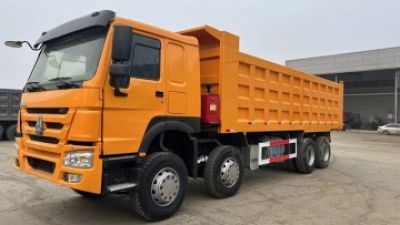
Exploring the Market Dynamics and Performance Metrics of Howo Dump Truck 8*4 371-420hp: A Comprehensive Analysis of the 12 Wheeler Truck Sector
The Howo 8×4 dump truck segment, notably the models with power ratings between 371-420hp, showcases a unique blend of performance and practicality that appeals to various industries. According to recent market analyses, trucks in this category offer robust performance metrics, making them an essential choice for heavy-duty applications. With a powerful engine that delivers torque upward of 1350N·m and a displacement of approximately 9.726 liters, these vehicles are engineered to handle substantial loads efficiently. The focus on a strong chassis design enhances their durability, allowing for an impressive load capacity, which is especially critical in construction and mining sectors where reliability is paramount.
The competitive edge of the 8×4 dump truck lies not only in its power but also in its spacious cargo box. The dimensions and durability of the cargo area contribute significantly to its operational efficiency, enabling operators to transport larger quantities of materials without compromising performance. Moreover, the cost-effectiveness of these trucks is increasingly acknowledged in the industry, as they provide a reliable solution without exorbitant operational costs. Data indicates that vehicles in this performance segment are gaining traction, attributed to their ease of operation and maintenance, further solidifying their position as a preferred choice among operators looking for dependable heavy-duty trucks. The overall sentiment in the market highlights a growing inclination towards vehicles that offer both high power and operational efficiency, positioning the 8×4 dump trucks as a significant player in the heavy vehicle market landscape.
FAQS
: Higher battery capacity leads to longer operational time, enhancing productivity on site.
It ensures trucks handle specific weights, preventing damage that can incur repair costs.
Quick charging saves time on the job, leading to increased efficiency during operations.
Assess your worksite demands and materials to choose the right model for your needs.
Ensuring compatibility avoids inefficiencies and operational delays, maintaining a smooth workflow.
Yes, they can provide long-term cost savings through lower energy costs and reduced maintenance.
Initial costs can be higher, and charging infrastructure may not be available in all areas.
Yes, operators may need training to effectively utilize new technologies introduced in these models.
They reduce carbon footprints, which is crucial for companies focusing on sustainability efforts.
Efficiency can vary based on terrain and load, so it's vital to consider these factors.
Conclusion
Electric Dumper Trucks are revolutionizing the construction industry by providing sustainable and efficient alternatives to traditional diesel-powered models. The evolution of these vehicles has been marked by innovative designs and advancements in battery technology, leading to enhanced performance metrics. Key features such as payload capacity, charging infrastructure, and operational efficiency are crucial considerations for contractors looking to adopt electric dumper trucks.
As the market expands, the environmental benefits of using electric dumper trucks become increasingly evident, including reduced emissions and lower noise pollution. Additionally, a comprehensive cost-benefit analysis reveals that while the initial investment may be higher, the long-term savings on fuel and maintenance can be significant. Looking ahead, future trends indicate further improvements in technology and design, positioning electric dumper trucks as a vital component of sustainable construction practices.